
Meet Our Coaches
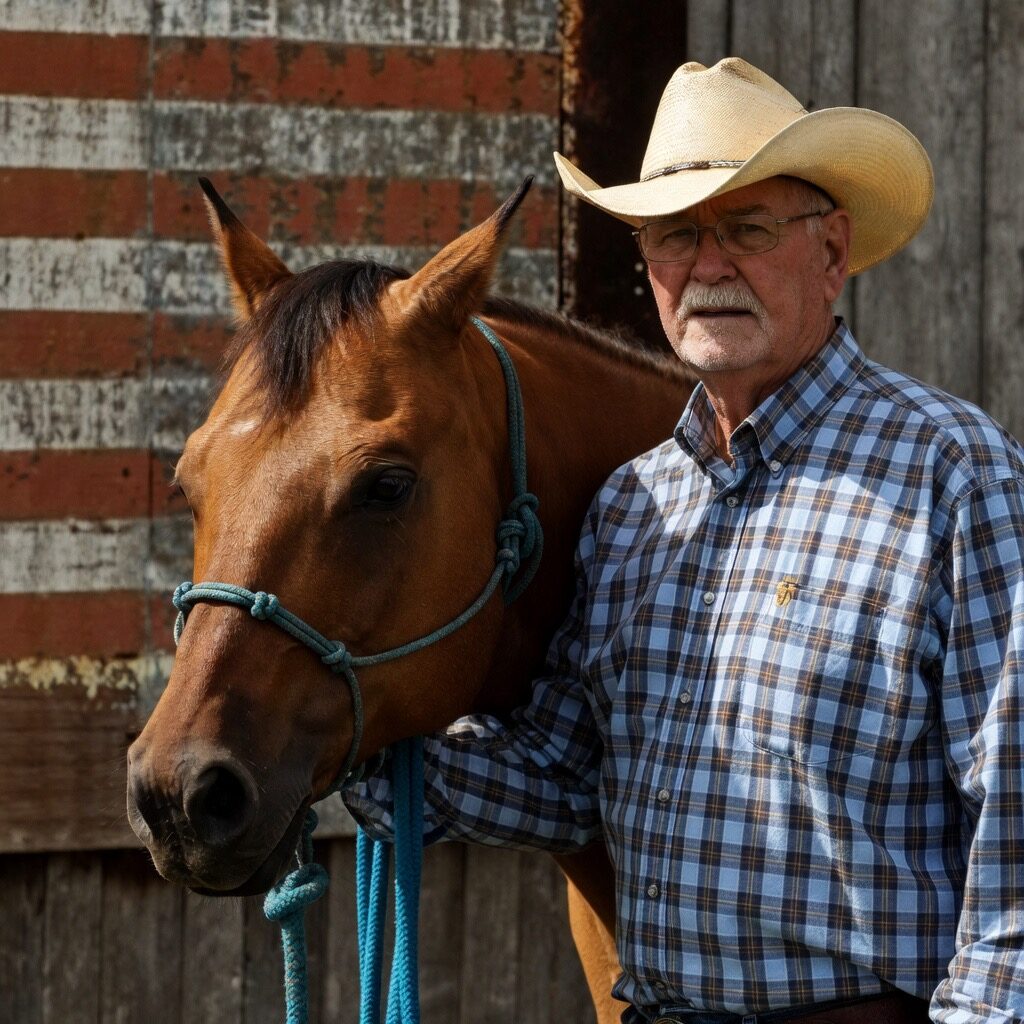
Marvin Williams
Marvin is a certified equine assisted life coach. Equine-assisted life coaching is a personal growth and learning approach in which people work with horses and an equine assisted life coach to develop emotional, behavioral, relational, and leadership skills. Aided by the compassionate wisdom of horses, Marvin helps our boys at the Burke Center for Youth improve their life skills through an emphasis on the development of relational skills. Through interactions with the horses, the boys are able to process their thoughts, feelings, and behaviors as they arise in the moment in a safe space providing the child opportunities to explore mistaken beliefs, maladaptive behaviors, and relational patterns.
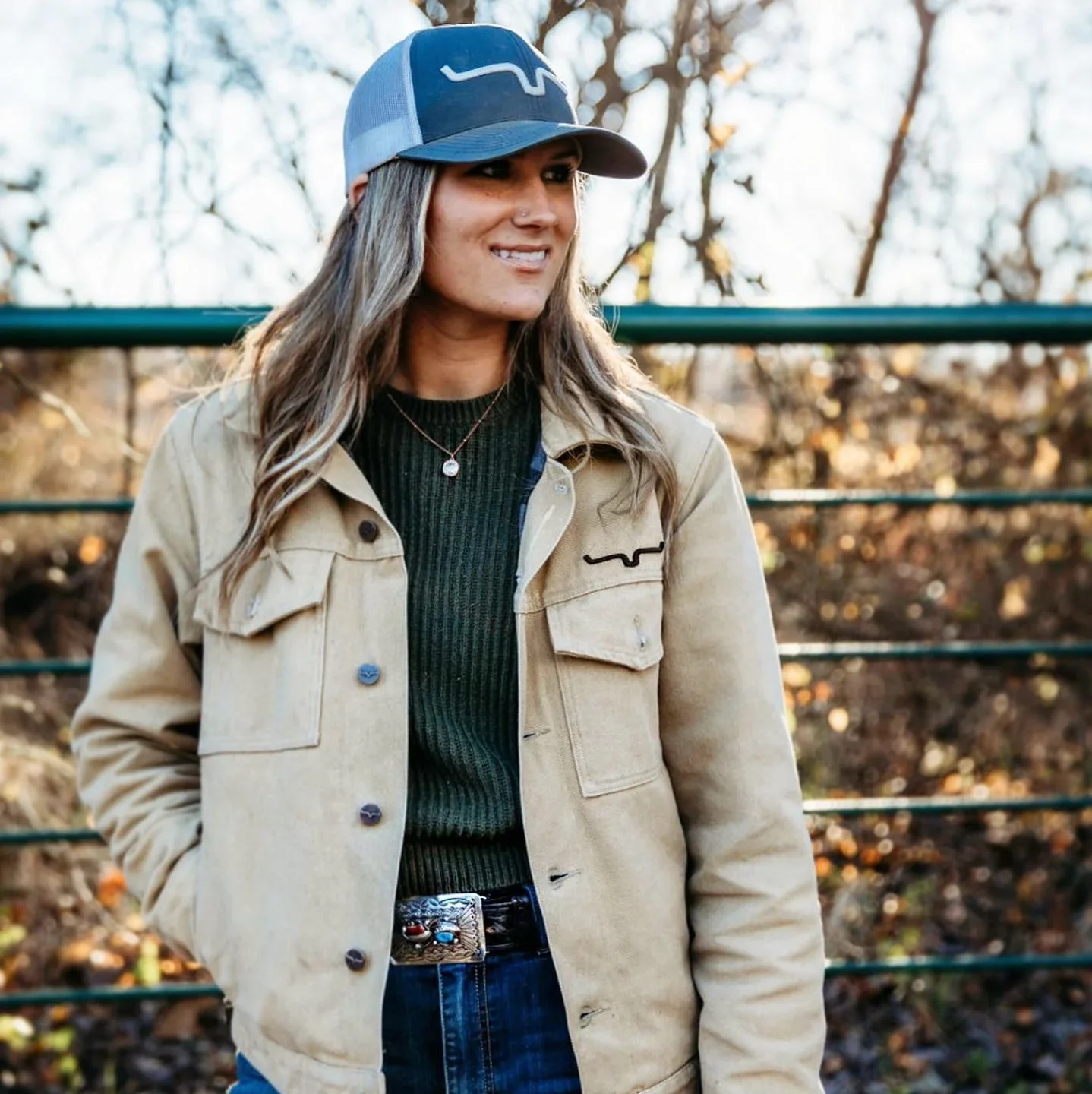
Micheli Lynn
Pairing my passion for horses with a degree in Psychology, I’ve become deeply passionate about the healing and growth that can happen through the horse-human connection. My work centers around helping young people build confidence, emotional awareness, accountability, communication skills, and trust through meaningful experiences with horses.
My journey with horses started long before I knew it would become my life’s work. I was raised riding before I could walk — shaped by the kinds of horses that teach patience, humility, resilience, and the importance of listening. Over the years, that foundation grew into hands-on experience working on ranches, day working, cowboying, starting colts, and ultimately mentoring and working with troubled youth through equine-assisted learning programs and residential treatment settings.
Through both horses and psychology, I’ve become fascinated by the connection between the mind and body — in both horse and human. I’ve continued to pursue education from a wide range of mentors, including cow horse trainers, biomechanical specialists within the dressage community, and equine-assisted learning professionals. Those experiences have shaped an approach rooted in empathy, structure, leadership, and respect.
Today, I’m grateful to combine horsemanship and mentorship in a way that helps young people feel seen, challenged, and empowered. My goal is to create an environment where both horses and humans can learn, grow, and build healthier relationships through connection, communication, and shared experience.
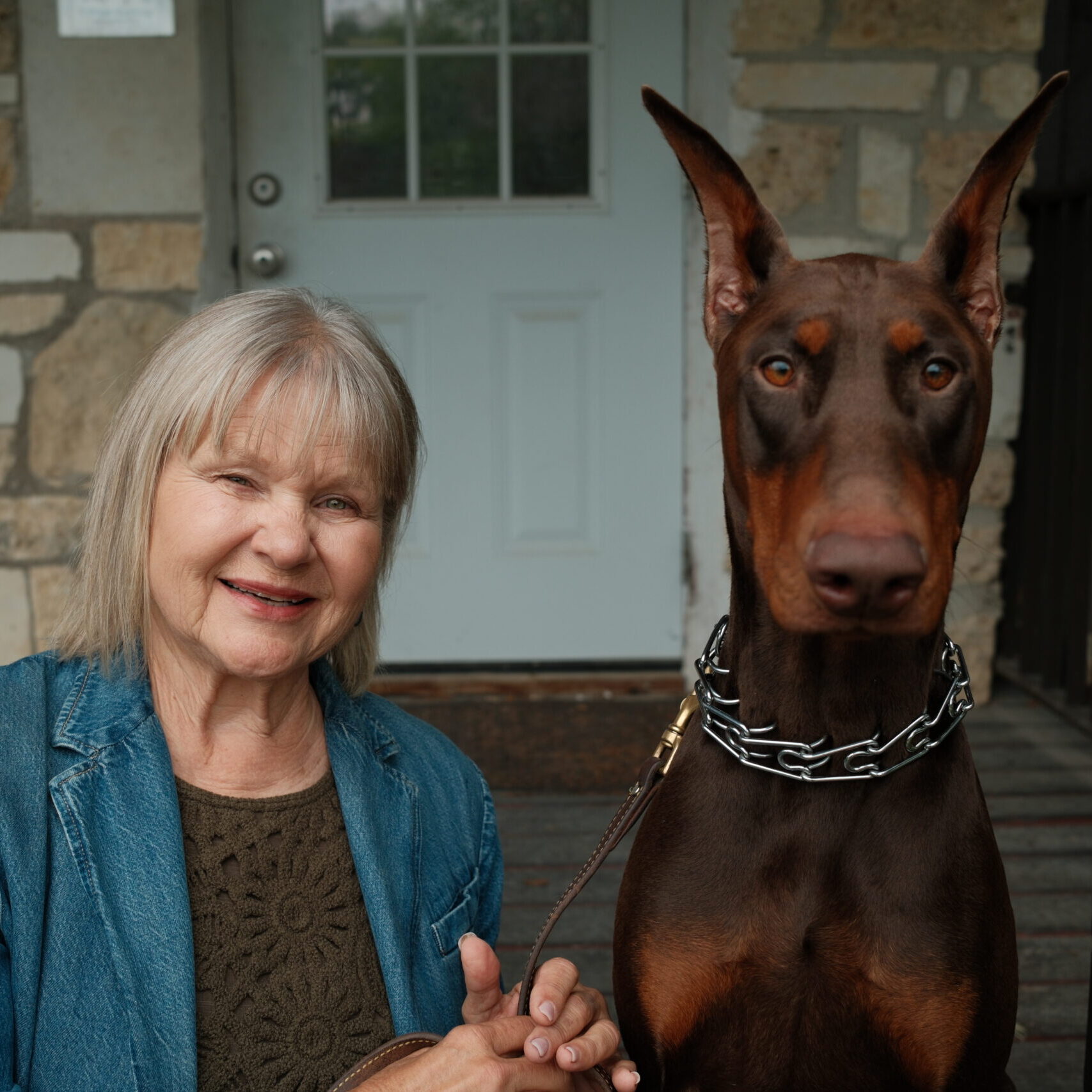
Morgan Bishop
Morgan earned her Bachelor’s degree in Computer Science from Northern Illinois University. She began her career as a database analyst, working with defense contractors, startups, and as an independent contractor in Austin, Texas.
In 2011, she made a career transition into human services. She studied addictions counseling at Austin Community College, graduating in 2013, and began her clinical work as a Licensed Chemical Dependency Counselor Intern (LCDC-I) in substance abuse treatment facilities.
In 2016, Morgan pursued a Master’s degree in Social Work at Texas State University, graduating in 2018. She completed her clinical supervision and obtained her license as a Licensed Clinical Social Worker (LCSW) in 2019, while also becoming a fully licensed LCDC. Her clinical experience includes serving as a substance abuse counselor with adult probation and working as a PRN clinician at a psychiatric hospital, where she continues to practice.
Driven by her passion for innovative and experiential therapeutic approaches, Morgan completed a two-year certification in equine-assisted psychotherapy with The HERD Institute. She now specializes as an equine-facilitated psychotherapist at the Burke Center, where she works with youth and integrates equine therapy into comprehensive mental health treatment.
Meet Our Horses
We got several horses, a barn goat, and a mini pony!
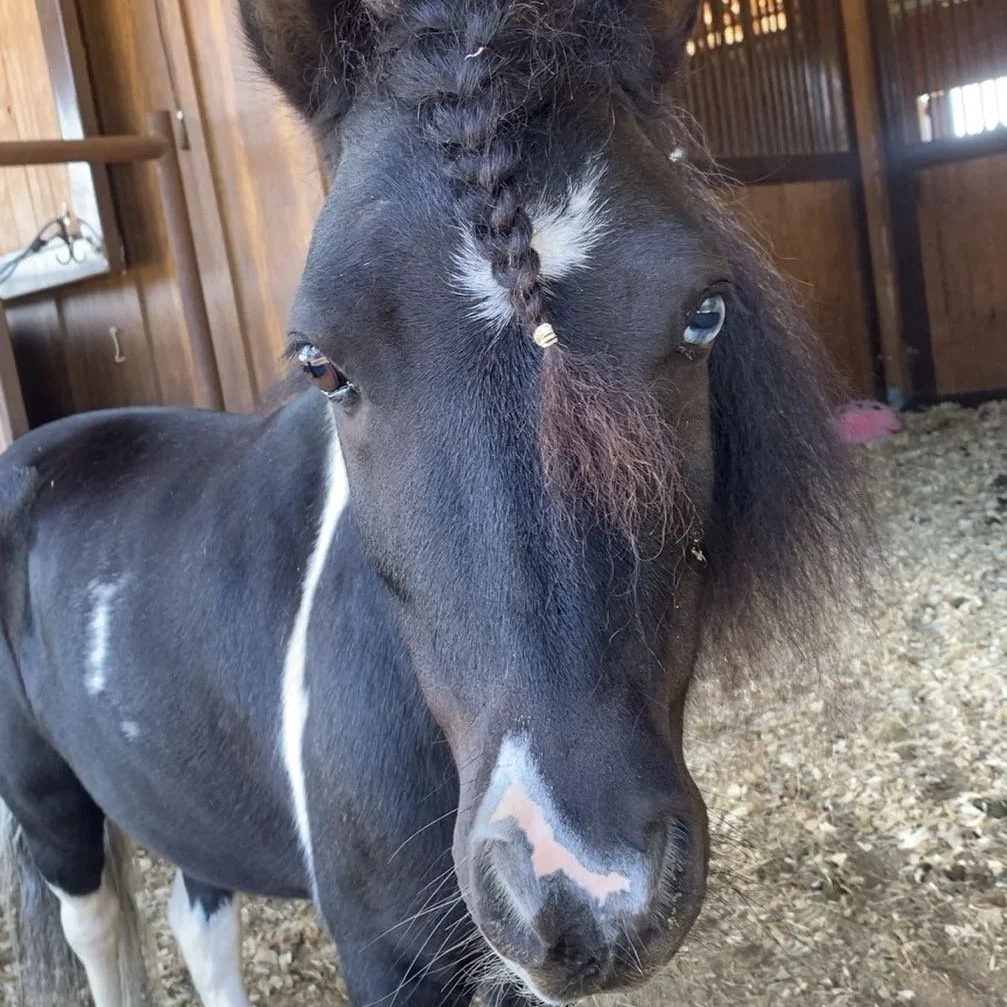
Banjo
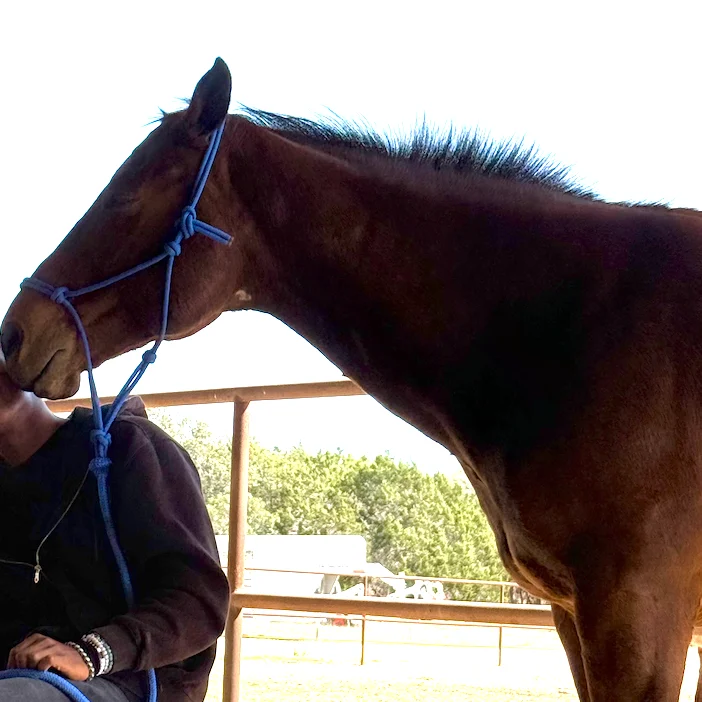
Bob
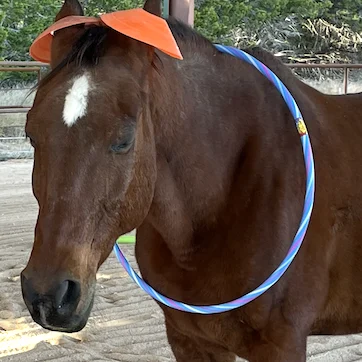
Boris
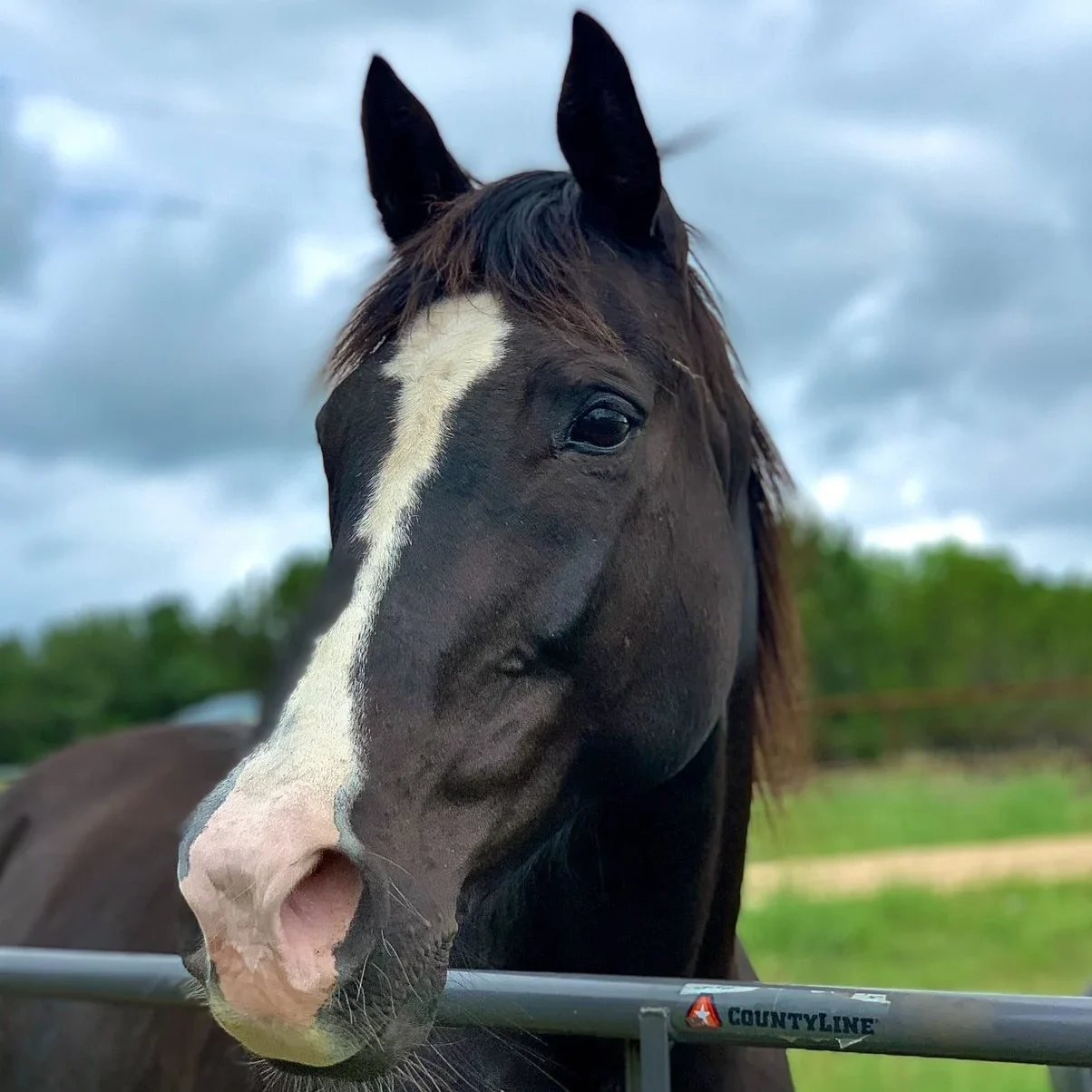
Brighton
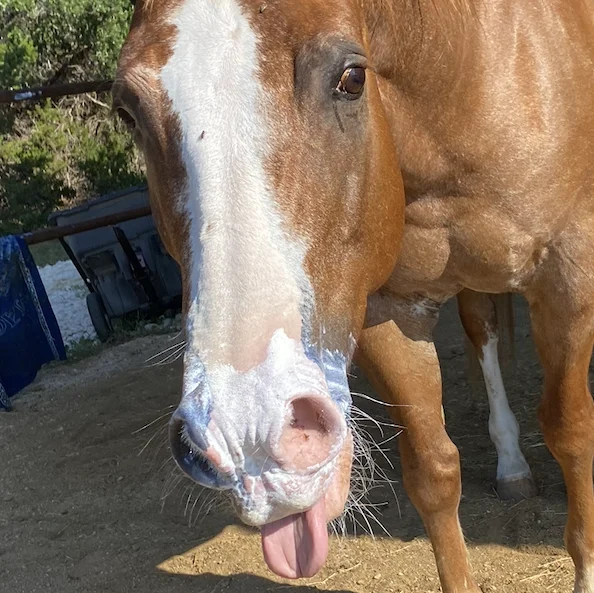
Bud
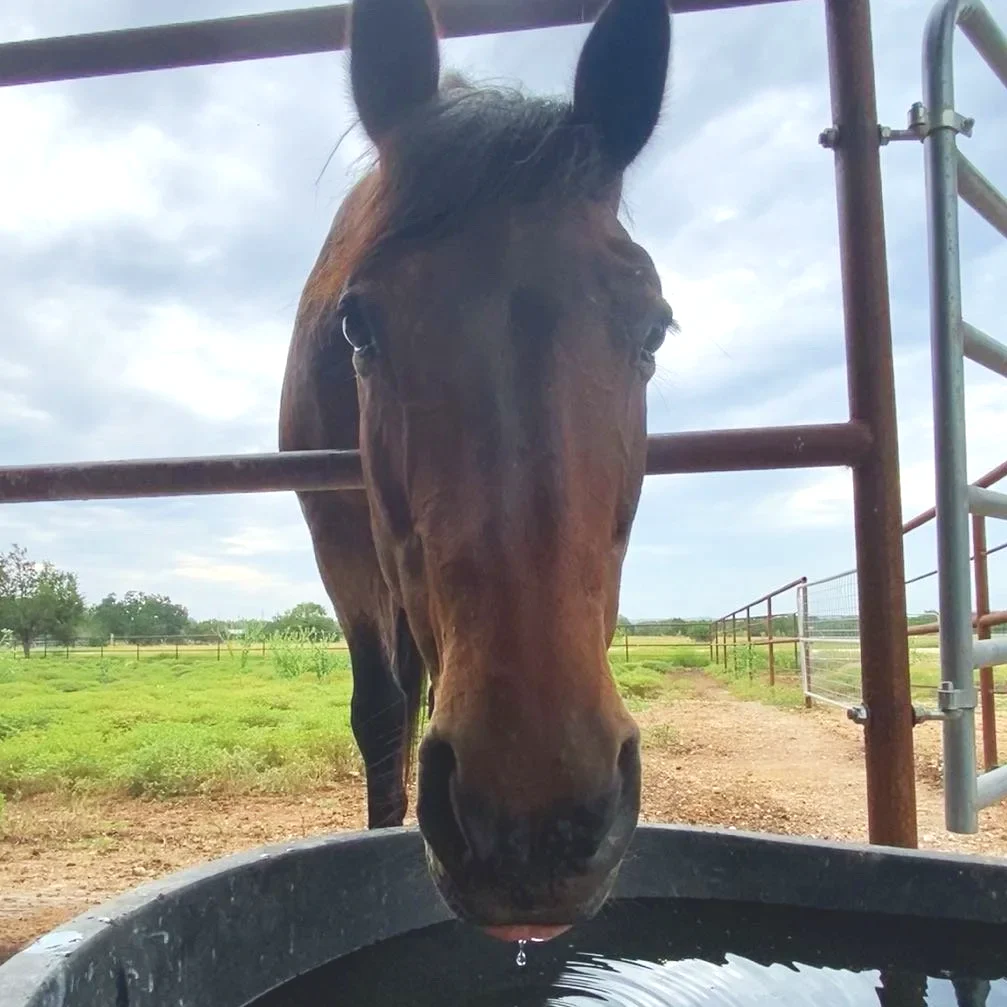
Darby
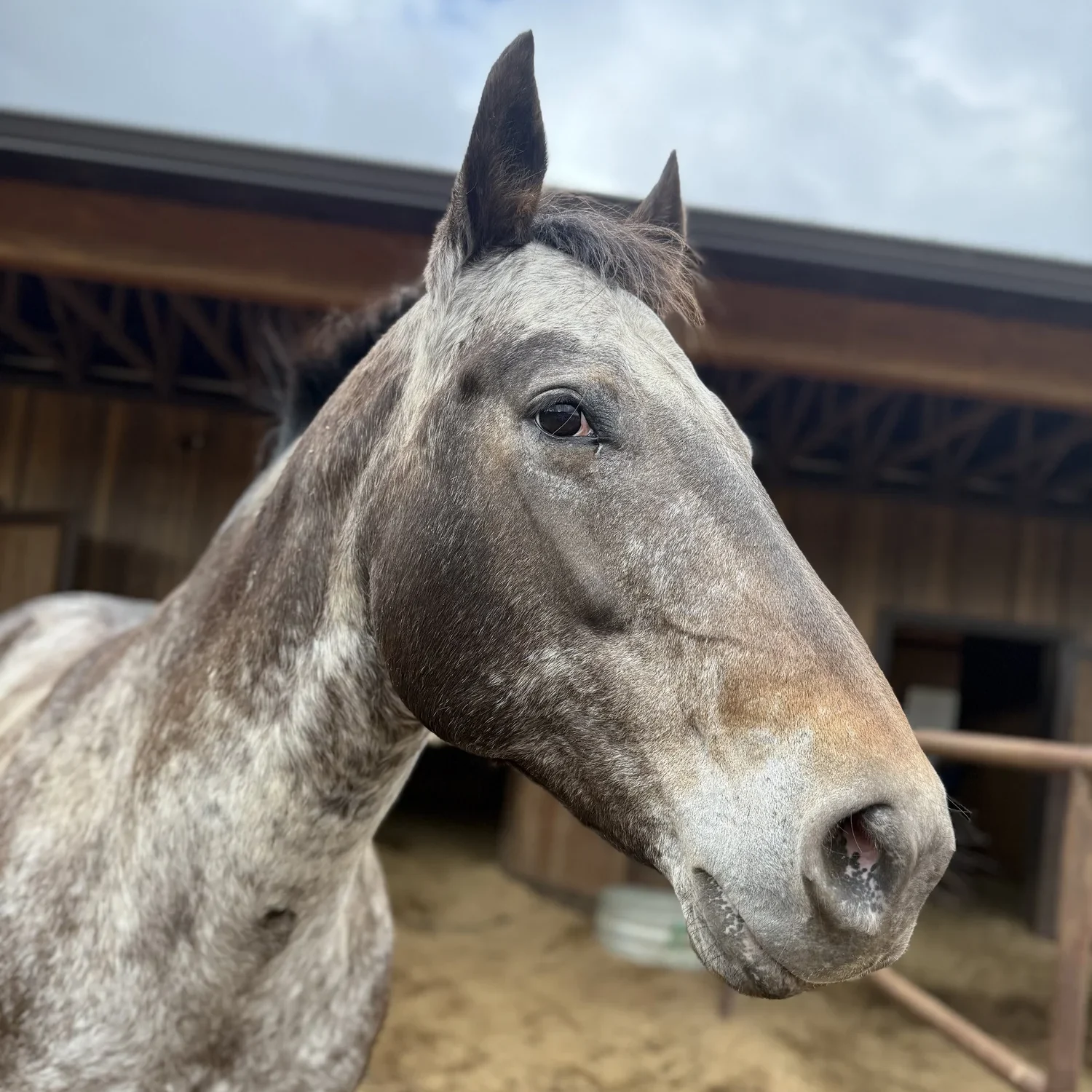
Digger
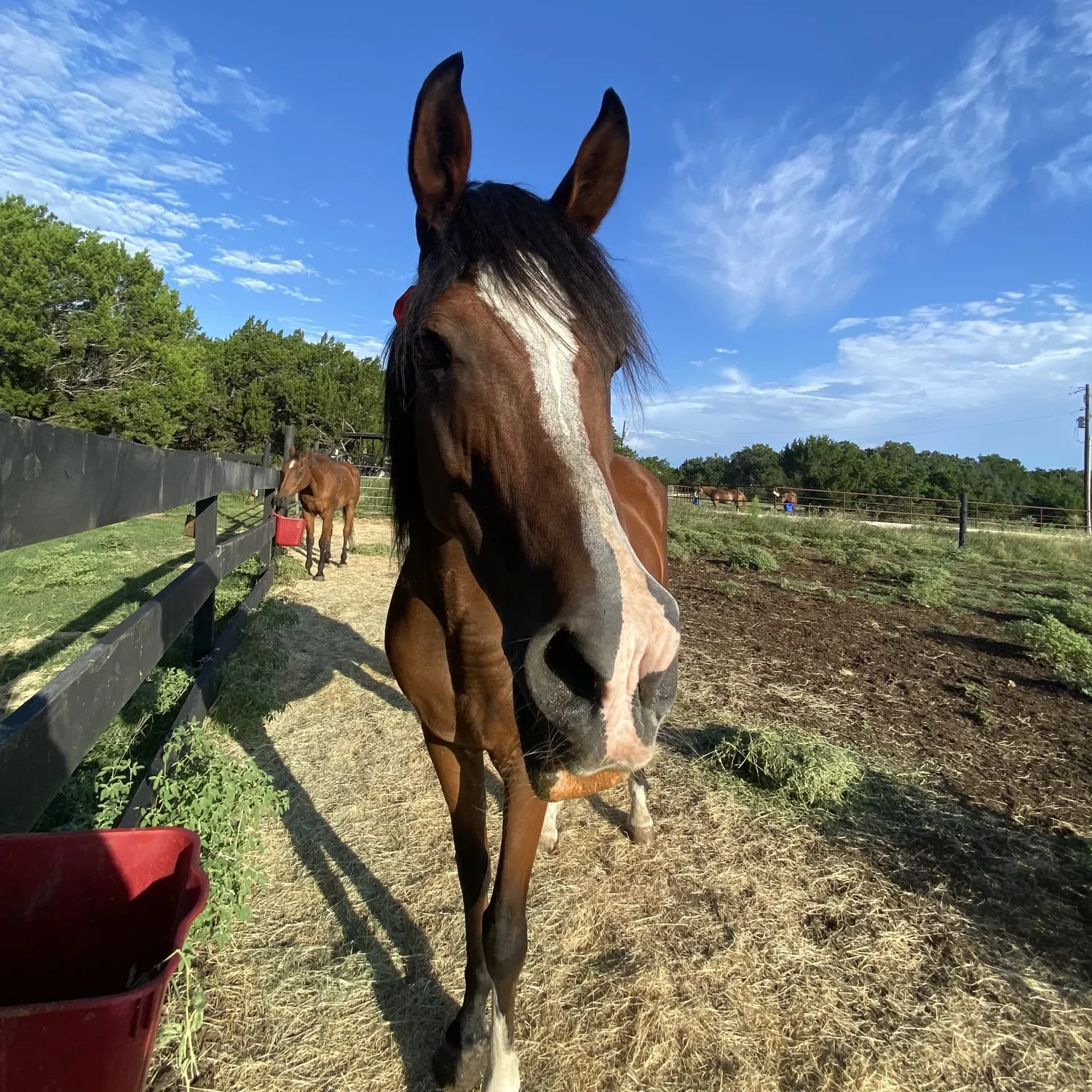
Habib
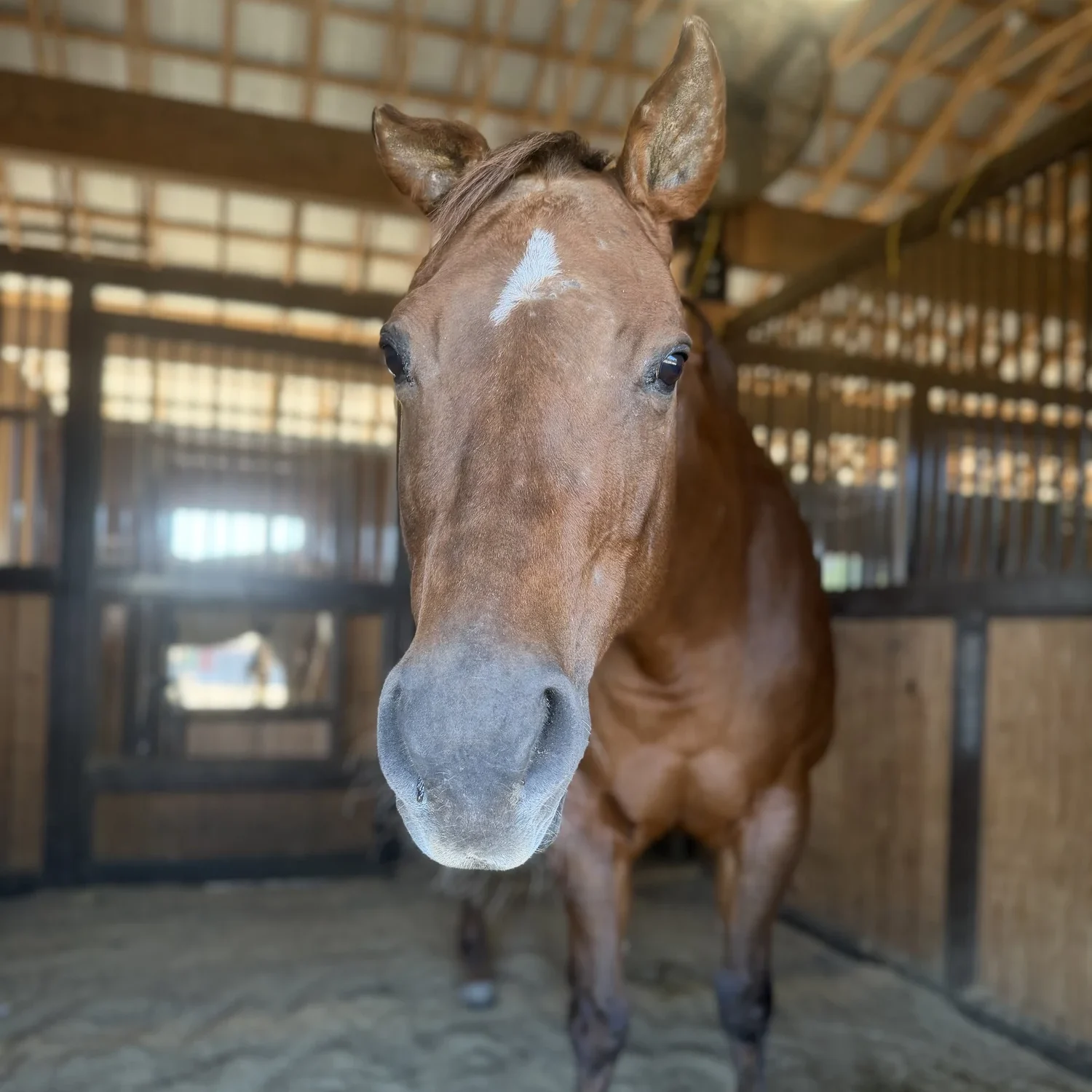
Hoolie
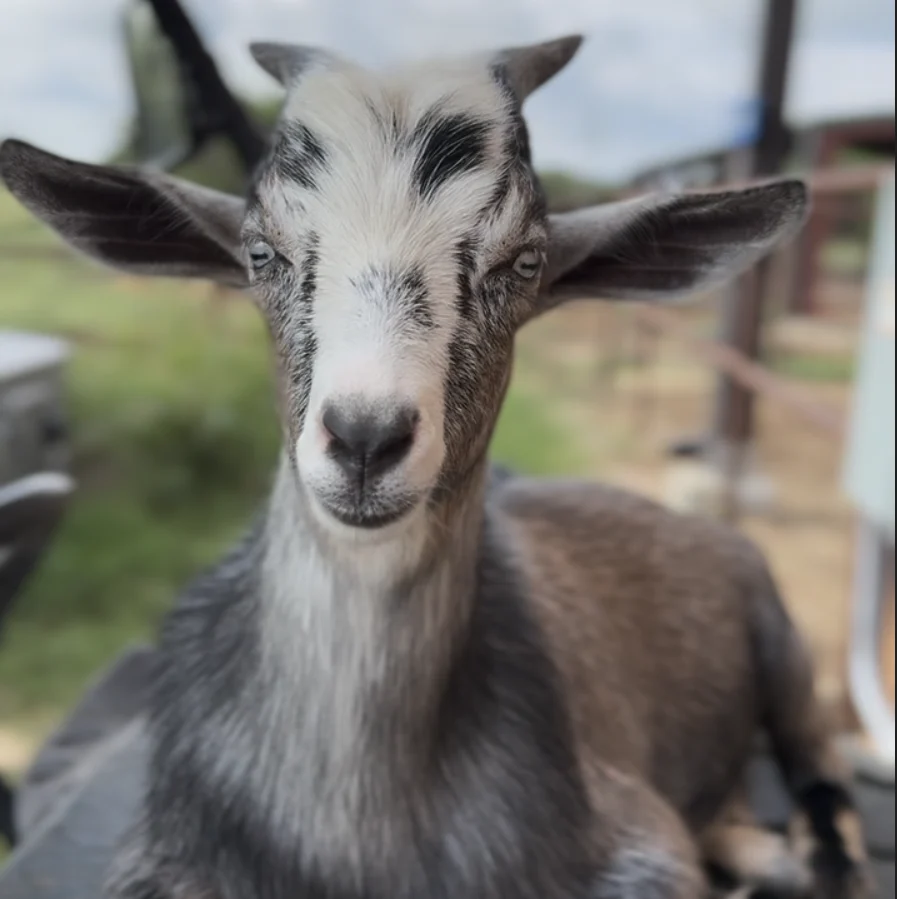
Louis
Not a Horse
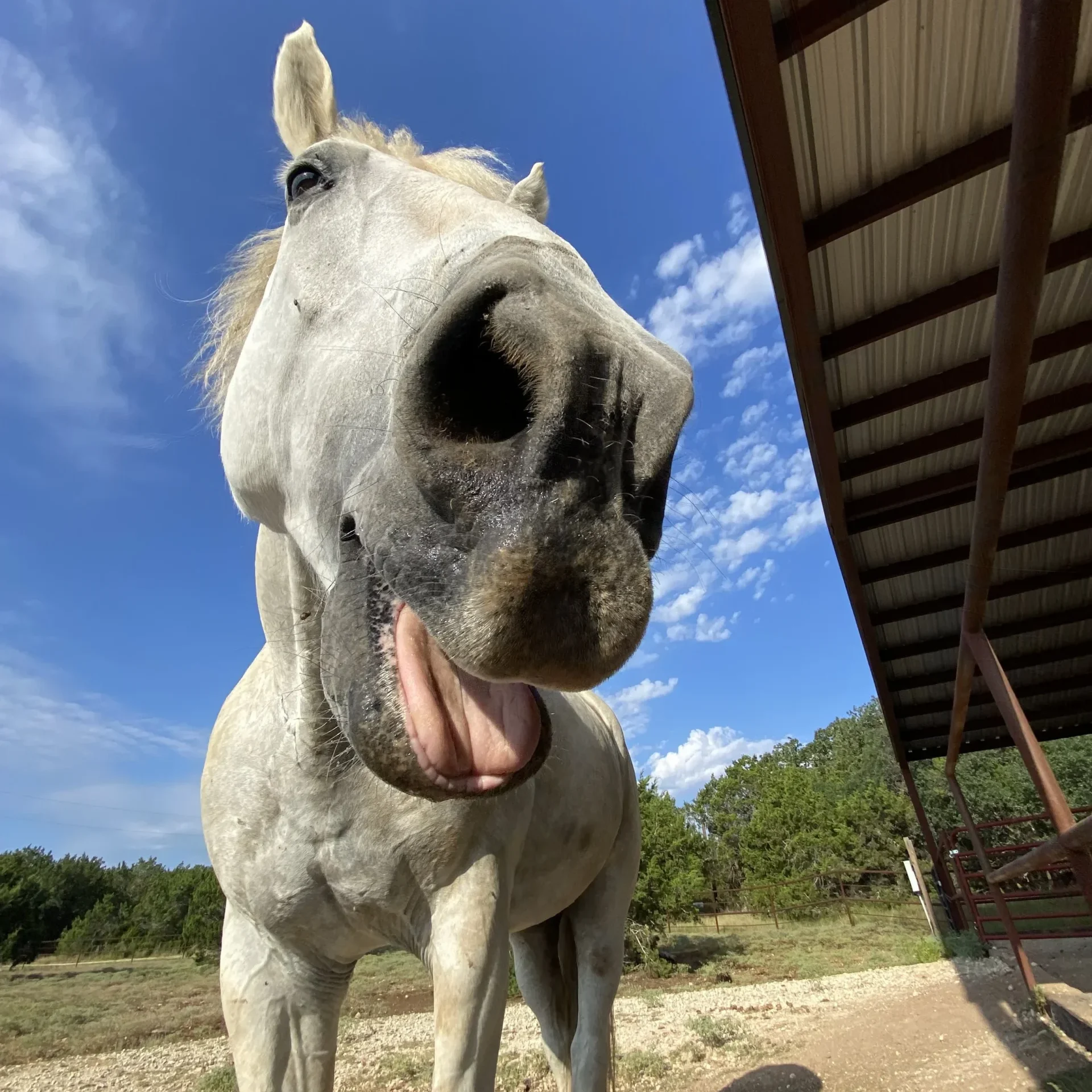
Odin
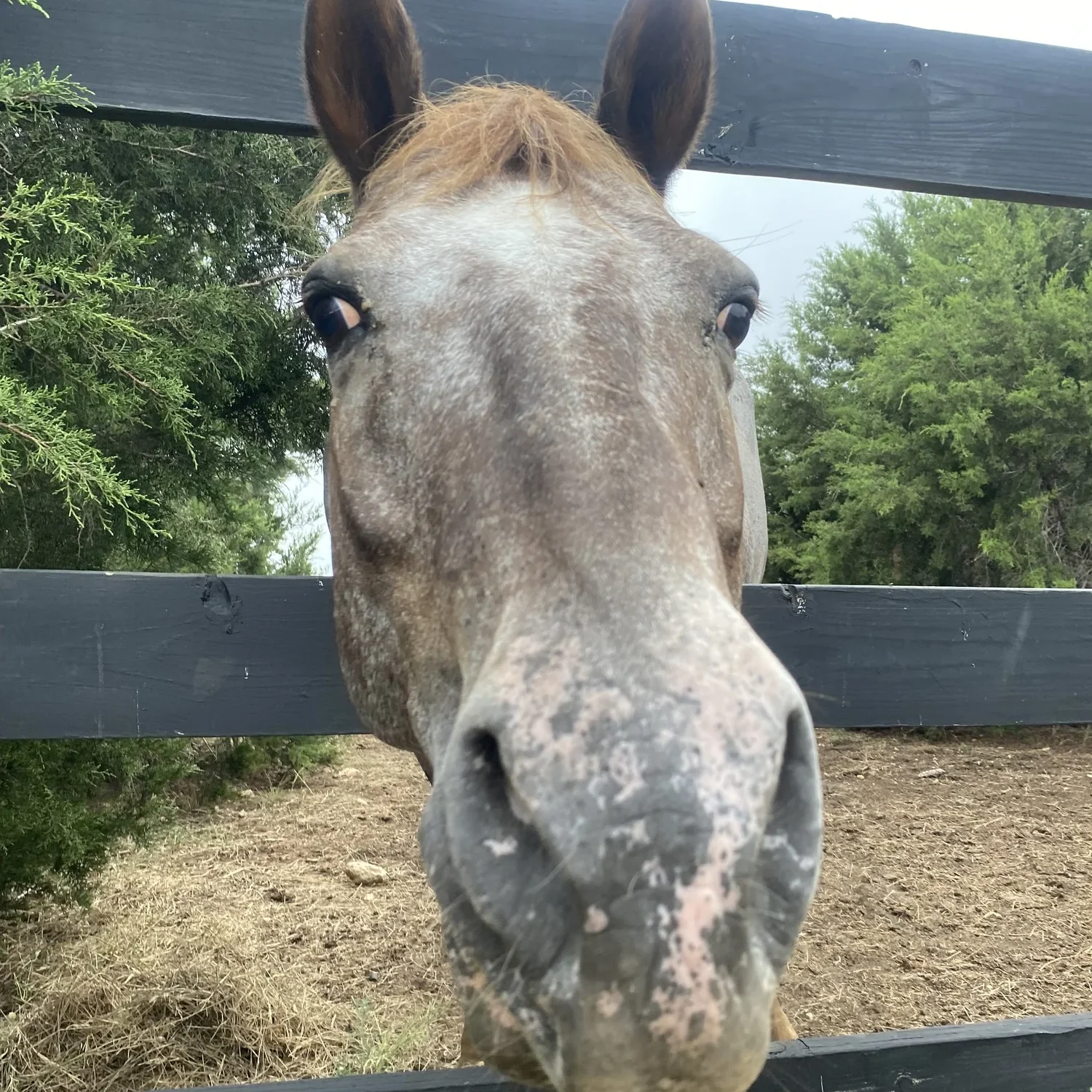
P-Nut
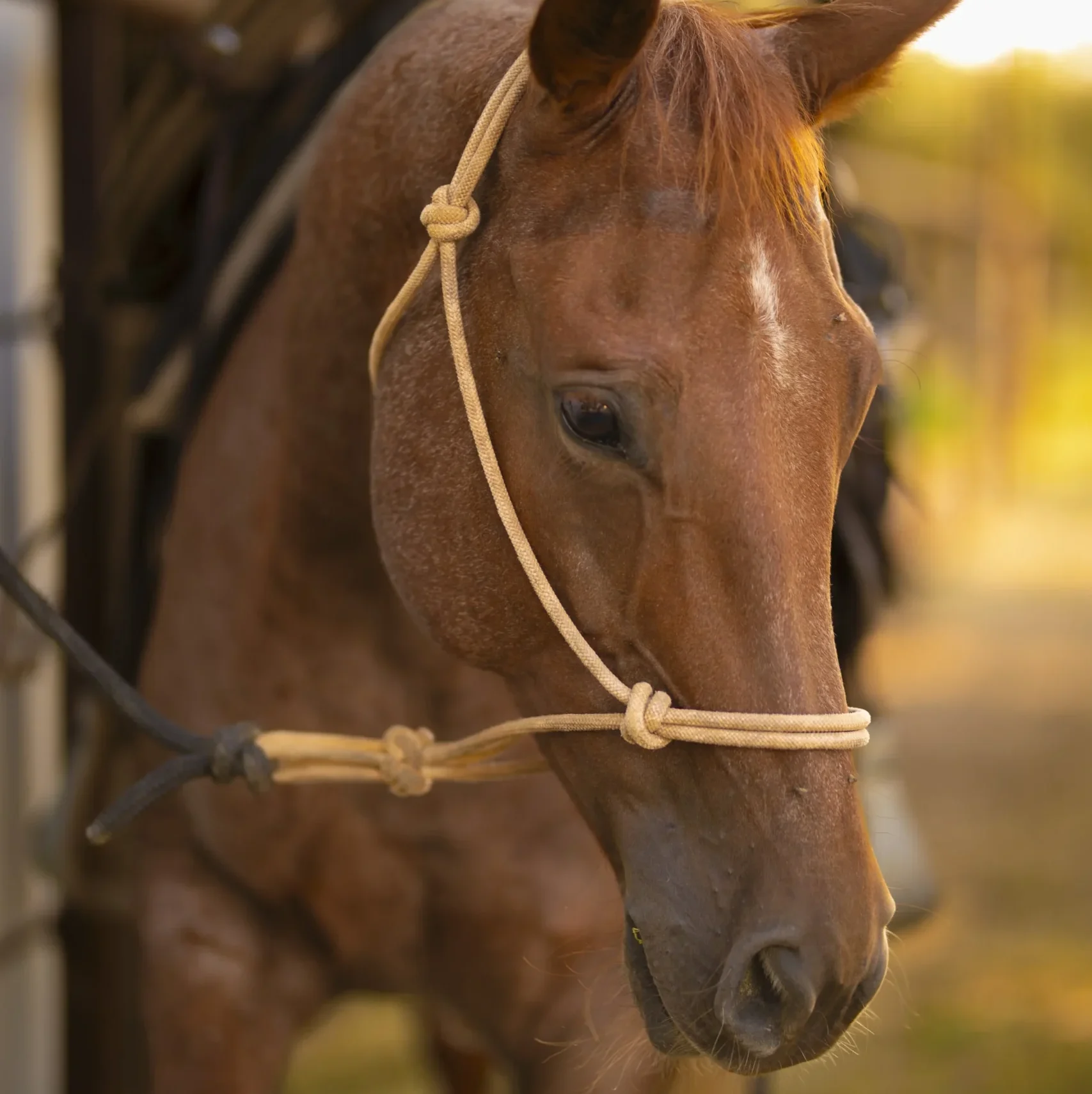
Smarty
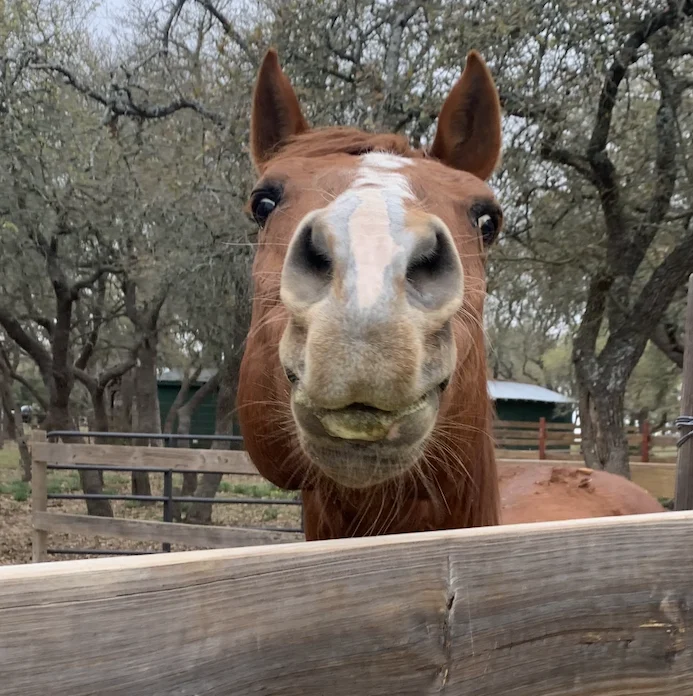
Zach
Our Therapies
Healing
Growth
Connection
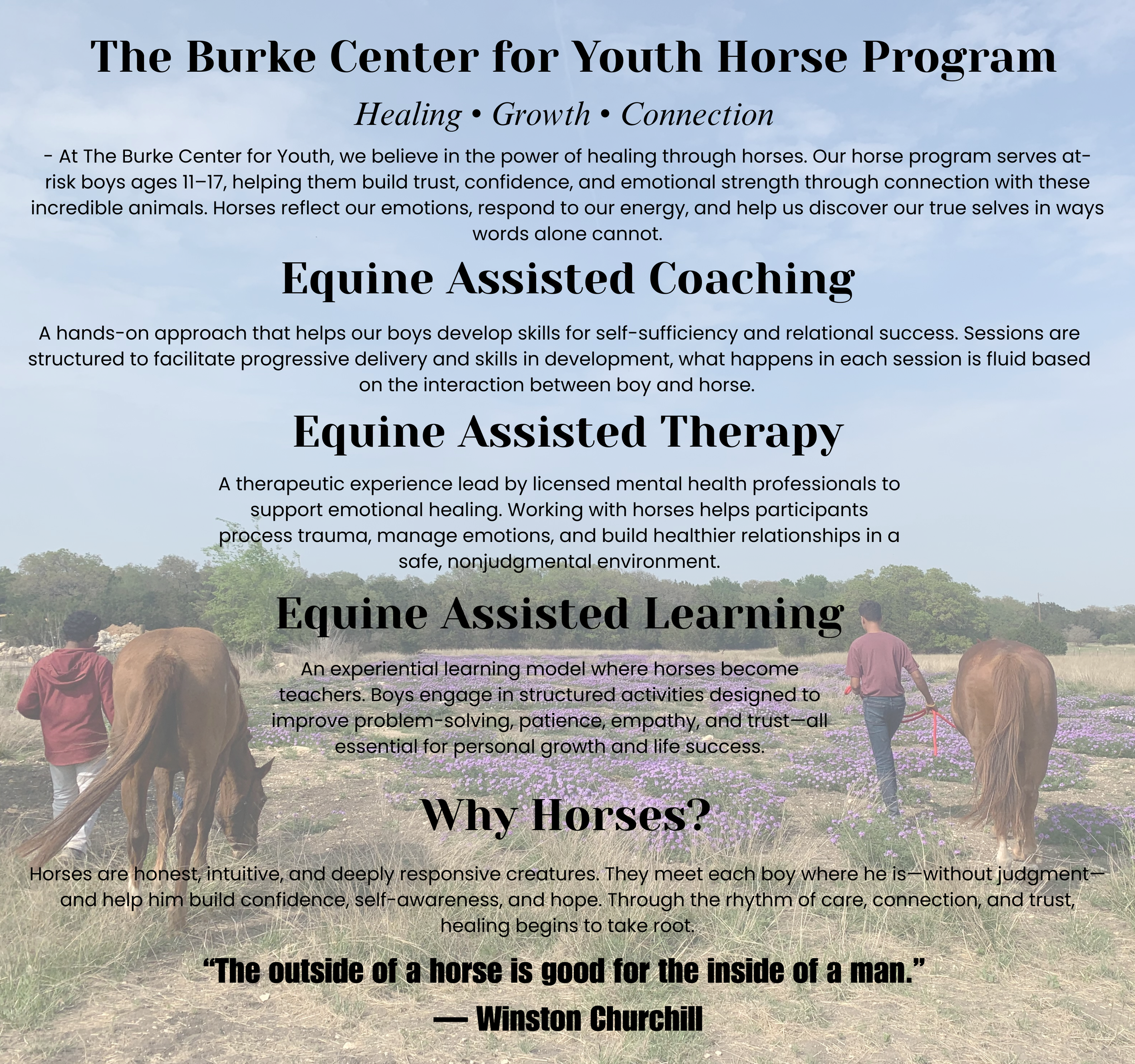
Equine-Assisted Therapy or Coaching is a form of horse-based experiential learning. Horses are sensitive to subtle changes in their environment and to the presence of humans. They respond to both the behavior and the mood of individuals functioning as a type of biofeedback tool. Equine-assisted therapies have been used as a complementary modality in treating a wide variety of mental health needs such as fear, depression, anger, anxiety, and autism. Added to the treatment for PTSD, it allows participants to practice mindfulness, emotional regulation, and self-mastery or self-esteem building skills. Other benefits can include an increased sense of well-being, increased feelings of acceptance, improvement in daily functioning, and increased awareness and connection with emotions.
Inclusion in this therapy is optional, we do not force any of our boys to participate if they are not comfortable around the horses or choose not to partake.
Equine Facilitated Psychotherapy (EFP) is a therapeutic approach that incorporates horses into the counseling process to support mental and emotional healing. When this therapy is conducted with a licensed therapist, it can offer numerous benefits to adolescents.
In EFP, a trained therapist guides adolescents through various activities and exercises involving horses. Unlike traditional talk therapy, EFP is experiential and often focuses on non-verbal communication, relationship-building, and emotional processing. The therapist facilitates sessions where adolescents interact with horses in controlled settings, such as grooming, leading, and observing the animals’ responses. The therapist observes these interactions and uses them as a basis for discussion and reflection.
BENEFITS
1. Improved Emotional Awareness and Regulation: Horses are highly sensitive to human emotions and body language. By interacting with horses, adolescents can learn to recognize and manage their own emotional states. The non-judgmental nature of the horse helps teens become more aware of their feelings and practice self-regulation.
2. Enhanced Self-Esteem and Confidence: Working with horses requires skill and patience, which can help adolescents build self-confidence. Successfully handling a large animal and seeing the tangible progress fosters a sense of accomplishment and self-worth.
3. Development of Social Skills: EFP often involves teamwork and communication with both the horse and the therapist. This interaction helps adolescents practice and improve social skills such as cooperation, assertiveness, and empathy.
4. Stress Relief and Relaxation: The calming presence of horses and the physical activity involved in EFP can reduce stress and promote relaxation. The therapeutic environment can offer a respite from the pressures of daily life, making it easier for adolescents to manage anxiety and stress.
5. Non-Verbal Communication: Many adolescents may find it difficult to express their thoughts and feelings verbally. Horses, being intuitive creatures, respond to non-verbal cues, allowing teens to explore and communicate emotions in a non-verbal, yet deeply meaningful way.
6. Increase Motivation for Therapy: EFP’s hands-on, interactive approach can be more engaging for adolescent’s compared to traditional talk therapy. The novelty of working with horses can increase motivation and participation in the therapeutic process
7. Building Resilience and Problem-Solving Skills: Handling a horse involves navigating challenges and problem-solving, which can translate to improved resilience and coping strategies in other areas of life. Adolescents learn to face difficulties, adapt, and persevere through their interactions with the horse.
8. Strengthened Relationships: The bond that develops between the adolescent and the horse, as well as the therapeutic relationship with the counselor, can provide a supportive framework. Positive experience with horses can enhance trust and relational skills, which are crucial for healthy relationships.
Equine Facilitated Psychotherapy with a therapist offers a unique and effective therapeutic modality for adolescents. By integrating horses into the therapeutic process, this approach provides a dynamic and multifaceted method for addressing emotional, social, and psychological challenges, ultimately fostering growth and healing in young people.