
Extended Foster Care
We have up to 6 beds for male youth who age out of foster care and need additional assistance as they transition into adulthood.
Housing Stability
Our program provides supervised or semi-independent housing along with support for finding and maintaining permanent housing. This acts as a safety net during the vulnerable transition period, helping youth avoid homelessness. Studies show high rates of youth exiting to stable housing (e.g., around 78% in some Transitional Living Program evaluations) and significantly lower homelessness risk compared to peers not in extended care.
Job & Education Assistance
Our program includes life skills training, education support, job readiness, and career guidance. This leads to better results such as greater postsecondary enrollment, increased employment rates, and higher earnings. Youth gain practical experience in budgeting, job searching, and self-sufficiency while receiving structured support.
Working Towards Self Sufficiency
Beyond housing and skills, our program offer counseling, mentoring, case management, and connections to caring adults. This builds resilience, social capital, and confidence, helping youth develop healthy routines and support networks as you move toward independence. The temporary safety net reduces immediate stressors and promotes long-term well-being.
Admissions
The Burke Center for Youth will consider placing young male adults aged 18-21 who are in extended foster care into the Transitional Living Program. These individuals will be referred to us by the Department of Family and Protective Services (DFPS), who are existing residents of the Pathfinders Residential Treatment Center (RTC) or foster family program, and have successfully completed all other relevant programs.
The admission process commences with a representative from DFPS or another designated agency contacting the Placement Team of the Burke Center for Youth. Upon the review of their file, a screening interview will be scheduled. The screening interview will include specific questions designed to assess the applicant’s suitability for the program such as:
What is the level of care of the young adult?
Is the young adult’s IQ in the average range?
Is the client a major runaway risk?
What is the family’s involvement?
Are there any behavior issues exhibited by the young adult?
Does the young adult have sufficient daily living skills to live independently?
Does the young adult have a valid Texas driver’s license or learners permit?
What is the young adult’s education plan? Do they already have a high school diploma or GED?
Is the young adult currently employed? What is their history of employment?
The caseworker also provides a comprehensive summary of the young adult’s strengths and challenges, typically through the Common Application, which is distributed at the commencement of the process. For those young adults assessed as potentially suitable for the Burke Center for Youth TLP, a referral packet is requested, which includes the Common Application (form 2087) and a recent psychological evaluation. This referral packet is reviewed by the Burke Center for Youth Treatment Director. If the young adult demonstrates a suitable fit for our program, an intake interview is scheduled, involving the young adult, the caseworker, and any relevant family members.
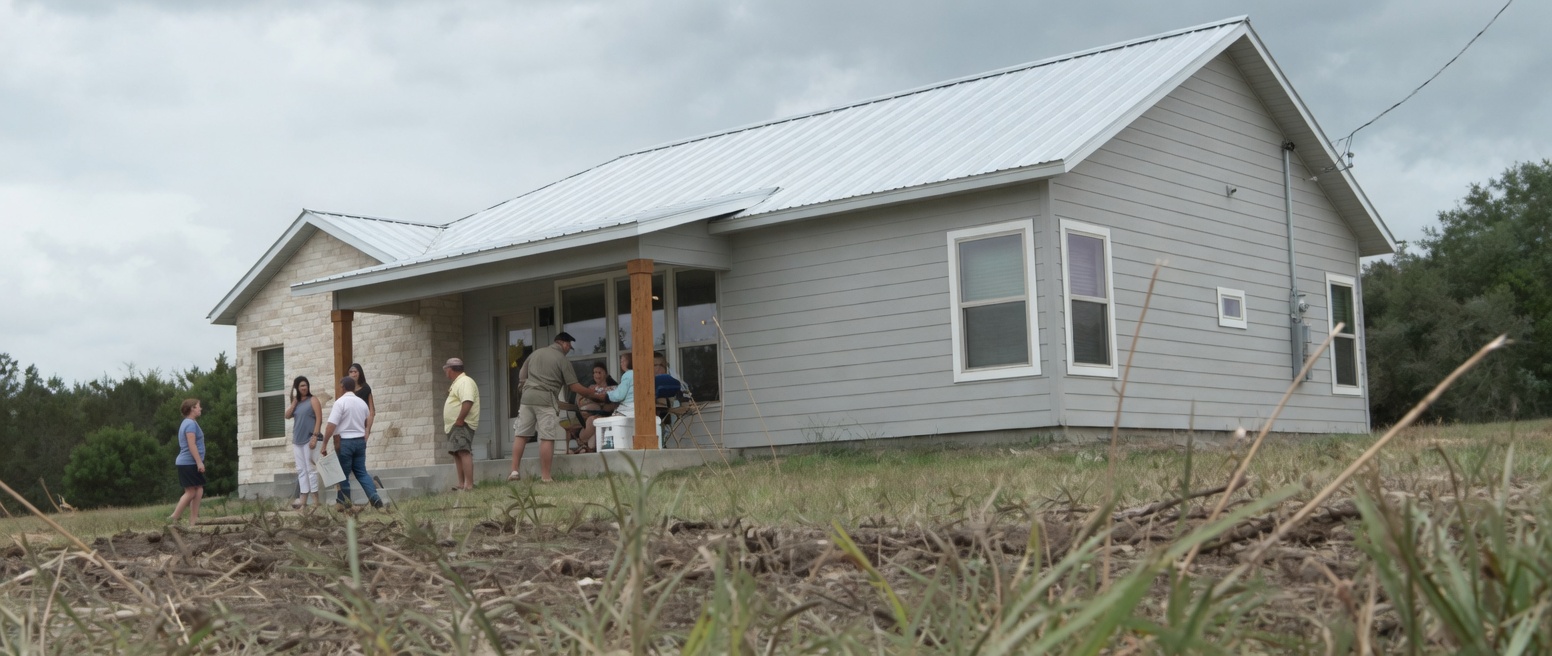
The intake interview provides an opportunity for young adults to tour the Burke Center for Youth’s Transition Home and meet our team, which includes the Transitional Living Program (TLP) Resident Assistant. During the interview, the young adult, their caseworker, and interested parties will also meet with the Executive Director and Case Manager. The young adult is encouraged to ask questions about the TLP.
The intake team also administers a series of questions that constitute a psychosocial assessment and an evaluation of the young adult’s current proficiency in independent living skills. The admission team promptly makes a decision regarding admission or non-admission shortly after the intake interview. If necessary, the interview can be conducted remotely. The decision for placement is ultimately made by the young adult and their caseworker. They have the option to accept the decision immediately or to consider it further. If an admission agreement is reached, an admission date and time are established.
Upon admission, the following placement forms and documentation will be obtained from the Department: a copy of the Youth For Tomorrow (YFT) letter authorizing the service level at the time of placement, the Placement Authorization (Form 2085FC), and the appropriate Medical Consenter Form (2085-B). The admission paperwork is completed in the presence of the young adult, and an admission assessment is conducted prior to admission.
Within 72 hours of admission, a Preliminary Service Plan is developed. This plan is reviewed with the resident, any family members, and the caseworker.
Emergency placements are not permitted within the TLP, but admissions can be made outside of regular business hours or on weekends when necessary.
Discharge Process
Discharge planning is assessed at intake and is an integral component of life skills planning and preparation for emancipation. It is reviewed on a regular basis by the resident and their Case Manager. The DFPS Caseworker is informed as far in advance as possible of the actual date and time of discharge. The Burke Center for Youth treatment team endeavors to ensure that every resident departs the TLP home in a planned and successful manner. For scheduled and planned discharges, a discharge release form is completed and signed by the Treatment Director, the resident’s caseworker, and the emancipating young adult. This form is filed in the resident’s permanent record. Formal discharge ceremonies and celebrations for the accomplishments of the residents during their stay at the TLP home are customary for departing residents.
If a resident poses a risk to themselves or others, they may be required to be placed in a secure facility. Law enforcement and emergency psychiatric services may become involved to determine the most appropriate course of action. If a resident consistently violates the program’s rules or exhibits behavior that deviates from the expectations of the transitional living program, they may need to be placed in a more supervised environment, such as a therapeutic group home program. Alternatively, they may be requested to leave Burke Center for Youth Transitional Living Program. In these circumstances, the resident’s DFPS caseworker or supervisor will be notified immediately and will assist in determining whether the resident can return to Burke Center for Youth once their situation has stabilized.
If a resident is not allowed to return or remain in the TLP, if at all possible, 30 calendar days written notice will be given to the resident’s DFPS Caseworker before discharge will occur. If it is determined that waiting this duration poses a risk to the young adult or other residents, a 14-day written notice of discharge will be initiated. The resident may be stabilized at a more secure program with heightened supervision. If the resident is in immediate danger or is assaultive of staff and the treatment team does not deem re-admission to the TLP in the resident’s best interest, immediate admission to a psychiatric hospital or detention facility will occur, and discharge will be effective within 24 hours. In all cases, the resident’s DFPS caseworker will be notified by phone and sent a formal discharge request letter via email. This letter will be signed by the Burke Center for Youth and filed in the resident’s permanent record. At the time of discharge, a discharge release form will be completed and signed by the resident’s Case Manager and DFPS Caseworker.
The following paperwork and items will be made available upon all planned discharges:
1. Service Plan
2. Medications
3. Most recent clinical records such as psychological evaluations and psychological testing
4. Education Portfolio
5. Gift/personal possession inventory including books, electronic devices, and money
The following paperwork and items will be made available upon all unplanned discharges within 30 days:
1. Gift/personal possession inventory including books, electronic devices, and money.
2. Clothing inventory; and
3. Updates to the Education Portfolio.
Services
>Service Planning: An Admission Assessment is completed prior to admission from the documentation requested and intake psychosocial interview. A Preliminary Service Plan is then developed within 72 hours of admission, with the resident primarily guiding the goals and strategies. Components of this plan include addressing the resident’s immediate treatment and care needs, including clothing, dental, medical, and educational needs. This includes any components in the youth’s Individual Education Plan. This plan is reviewed with the resident and their custodians.
Within 30 days of the resident’s admission, an initial service plan is developed. The primary objective of the service plan is to identify the resident’s strengths and areas for improvement, as well as their discharge plan. The criteria for discharge to the recommended plan are aligned with the resident’s long-term treatment goals. All treatment services are designed to facilitate incremental progress toward the discharge plan. These services are systematically organized into the treatment plan.
A designee from the resident’s Transitional Living Program (TLP) team also participates in the youth’s scheduled DFPS Plan of Service by attending meetings or through a conference call. All permanency goals, behavioral goals, education, and transition plans established by DFPS will be considered when developing the resident’s service plans to ensure consistency and meet the resident’s specific needs. We will coordinate with DFPS the Child Protective Services (CPS) transition plan, including the resources listed and information available at the DFPS website under Transitional Living Services. Any other services available that are specific to our region will also be considered and coordinated with the Department.
The service plan is completed every 180 days and is reviewed and written by the Treatment Director, Aftercare Coordinator, Case Manager, and resident. These service plan reviews are used to determine when the young adult has completed their identified goals and objectives and is ready to move onto new goals and objectives. The resident’s caseworker, any family members or other significant persons, including volunteers, teachers, the Educational Coordinator, Attorney Ad Litem, CASA, Surrogate Parent, Foster Group Home Program staff, Foster Family Program staff, and any relevant other persons are invited to participate in this treatment plan review and planning process. The concept is that it takes a community of services to treat our youth.
>Psychopharmacological Interventions: Psychopharmacological medications are utilized to assist residents when deemed beneficial. Burke Center for Youth collaborates with a consulting psychiatrist who is present at the Burke Center once monthly and is available on a 24/7 basis. Each resident receives regular in-person consultations with our psychiatrist but may also be referred to an external psychiatrist as necessary. Upon prescription, medication adherence is a condition of their contractual agreement.
>Family Therapy: When the resident has family members who are available and willing to participate in family therapy, we will provide these services. The objective is to assist in developing resources and a community for the youth in care, thereby ensuring that they have connections to their families once they age out of extended foster care.
>Individual Therapy: Individual therapy is provided to all residents and is mandatory for at least the first four weeks of residency. Subsequently, the Treatment Team convenes monthly to assess and determine future therapy requirements. The therapy is tailored to the specific needs of each resident, considering their capacity to engage in it, and their level of motivation. Individual therapy can be structured to address specific concerns.
>Educational Services: To be eligible for admission to the TLP program, residents must possess either a high school diploma or a GED. Upon enrollment, they will receive comprehensive educational planning and support, with the goal of facilitating their further education through community colleges, vocational programs, and securing employment within the community. Enrollment in any form of higher education is a prerequisite for participation in the TLP program.
Residents who aspire to pursue higher education or vocational training are provided with assistance in accessing their ETV, Tuition and Fee Waiver, and financial aid. Additionally, they receive support to facilitate their enrollment in courses and facilitate their transition to college life.
>Recreation Programming: Upon admission, each resident undergoes an assessment of their recreational abilities and interests. Subsequently, the TLP provides tailored resources and opportunities for recreational participation based on the individual’s assessment results.
The TLP residents are encouraged to develop a menu of recreational activities that align with their interests and schedule within the community. This menu will serve as a foundation for their practice and preparation for independent living. Additionally, residents are encouraged to attend local churches and engage with community organizations to enhance their support system and prepare for emancipation.
>Cultural Competence:
At admission, the young adult’s interest in their culture is discussed and incorporated into their service plan to guarantee that staff aids in maintaining cultural competence. Additionally, staff receive training on cultural sensitivity and cultural competence during the pre-service training period and throughout the year. Burke Center for Youth ensures that our residents have these cultural experiences through planned recreation activities, cultural events, relationships with volunteers, and community educational events.
>Volunteer Services: The Burke Center for Youth actively seeks volunteers to serve as “sponsor families” for all residents of the Transitional Living Program (TLP) who desire such support. These volunteers engage in diverse activities with the boys, including mentoring, assisting with daily living tasks, and facilitating recreational opportunities. They accompany the boys to community events and provide guidance to assist them in preparing for independent living. The primary objective of these volunteers is to foster a sense of care and provide the boys with normal, age-appropriate experiences. The establishment and maintenance of strong relationships are paramount to this endeavor.