
Trust Based Relational Intervention (TBRI)
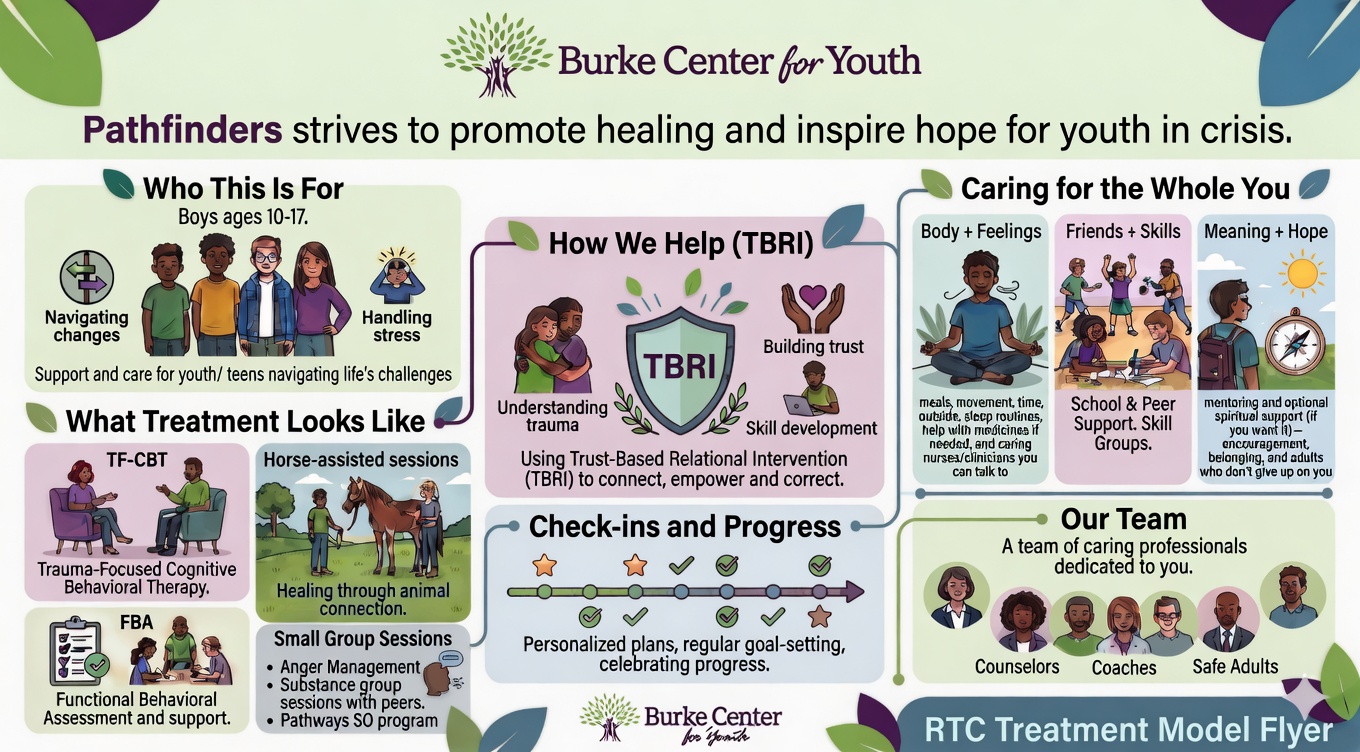
In 2014, the Burke Center for Youth adopted and implemented an Integrated Treatment Model, which includes Trust Based Relational Intervention (TBRI), Trauma Focused Cognitive Behavior Therapy (TF-CBT), and Equine-Assisted Therapy as evidence-based and trauma-informed behavioral interventions. As caregivers, all staff are trained in TBRI.
TBRI is a trauma-informed holistic approach that is multidisciplinary, flexible, and attachment-centered. It is a caregiver training that is specifically designed for parents and caregivers of children who have experienced maltreatment, abuse, neglect, multiple home placements, and violence, but is an approach that can be used with all children. TBRI helps caregivers understand what should have happened in early development and then guide children and youth back to their natural developmental trajectory.
Individual Therapy
Residents at the Burke Center for Youth will be required to participate in weekly therapy sessions (at least 3 times a month) and will either attend SI (Sexual Issues) therapy and/or Individual therapy.
TF-CBT
TF-CBT (Trauma Focused Cognitive Behavior Therapy) is supplemented by The Pathways Sex Offender Program which uses a guided workbook that has been a cornerstone in the treatment of sexually aggressive persons for over 20 years. The program follows the Good Lives Model (GLM) of treatment, reflects current research and clinical experience with adolescents, and focuses on strength-based methods to help clients develop healthy and productive lifestyles. The Pathways program emphasizes concern for restitution, development of victim empathy and personal responsibility.
The GLM proposes that all people are goal-directed and seek common life goals that are intrinsically beneficial to their well-being such as relationships and friendships, happiness and sexual pleasure, independence, and peace of mind. In GLM, the problem is not in the life goals but in the ways individuals attempt to achieve these goals which lead to life problems and to sexual and other offending behavior. In the most recent and largest meta-analysis of sexual offense treatment to date, sexual offense programs were found to produce significant reductions across all types of reoffending, most notably in a relative reduction in sexual reoffending of 32.6%. Studies have also found that non-completion of treatment doubling the odds of reoffending.
Family Therapy
Families will be engaged in family therapy when a child receives treatment and during family team meetings. Family therapy will be dependent on case worker approval and depending on the child’s individual needs.
EMDR
Eye movement desensitization and reprocessing therapy, commonly known as EMDR, is a mental health therapy method. EMDR treats mental health conditions that happen because of memories from traumatic events in your past. It’s best known for its role in treating post-traumatic stress disorder (PTSD), but its use is expanding to include treatment of many other conditions.
Sand tray therapy
Sand tray therapy is a therapeutic technique, or tool, that can be used with kids, teens, and adults to help therapists diagnose and treat various mental health conditions. Unlike other therapeutic techniques, this type of therapy allows you to show your feelings rather than articulate them.
Sand trays in psychotherapy are a creative approach to reading a person’s mind and unlike other techniques, you don’t have to force a client to talk. [Instead] clients let out their emotions and frustrations over sand miniatures, and in the process heal their psychological wounds. That’s why it’s particularly effective for people who have lived through trauma or experienced abuse. They can express their emotions without having to experience the distress of talking or reliving the event. It’s also an effective technique for kids because children sometimes have a difficult time expressing verbally how they’re feeling.
It can also be effective for kids, teens, and adults who:
- have depression
- have an anxiety disorder
- have attention deficit hyperactivity disorder (ADHD)
- are autistic
- are grieving
- have learning difficulties
- have low self-esteem
- have physical disabilities
Scott Caton: LPC, LSOTP
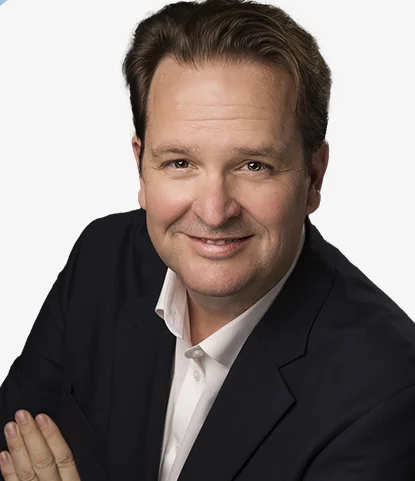
Scott Caton is a Licensed Professional Counselor Supervisor and a Licensed Sex Offender Treatment Provider Supervisor. A member of the Burke Center for Youth team since 2015, Scott has worked with young men in Child Protective Services and/or on Probation since 2007. In addition to providing talk therapy, he is also trained in Eye Movement Desensitization and Reprocessing (EMDR) and Mediation.
Ashley Ellison: LCSW
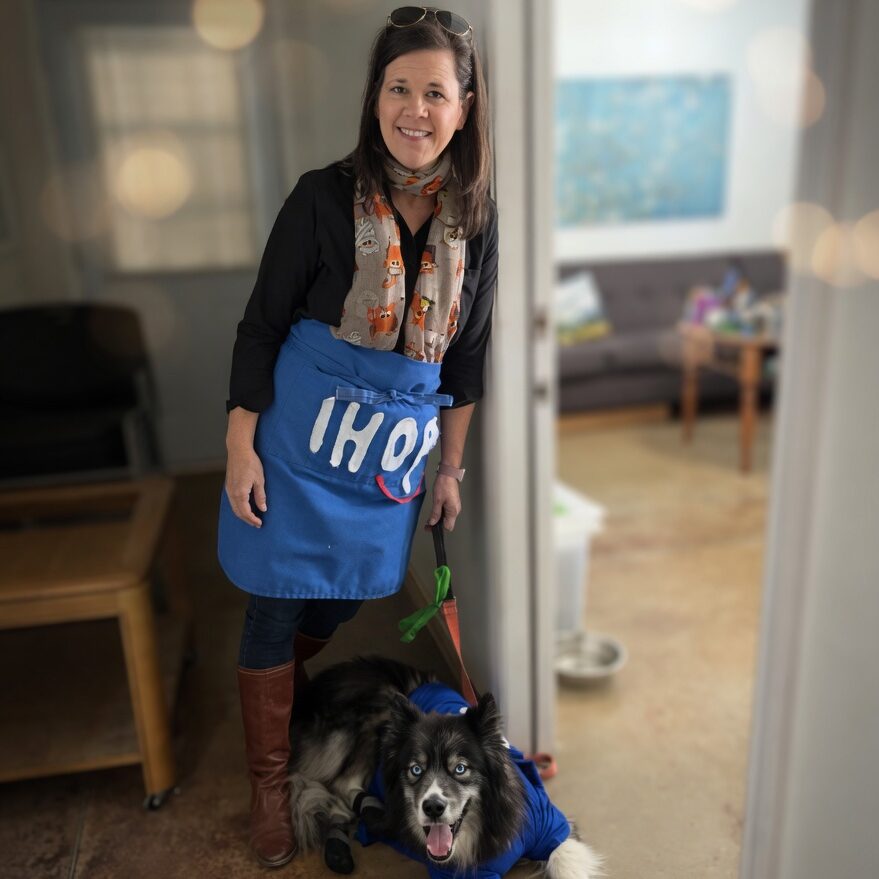
Although raised in Northern Virginia, Ashley was born in Texas and returned to obtain an undergraduate degree at Baylor University. In 1998, she was awarded a Master’s degree in Social Work from The University of Texas in Austin with a specialization in Mental Health and, what was then, Chemical Dependency, now Substance Use Disorder (SUD). For over 30 years, Ashley has had the pleasure to work as a social worker in all aspects of mental health including psychiatric, SUD treatment, criminal justice, school, private, and non-profit settings. She has creatively worked with and direct staff, interns, and clients individually and in groups. She spent most of her career building programs, supervising staff, and clients in the context of residential, day and outpatient mental health treatment while conducting individual, couples, and family therapy.
As a therapist, Ashley fosters a relationship based on trust, strengths, support, and empathy. She offers and encourages constructive feedback, safety, respect, and, self-care. Ashley is joined in practice by her special needs therapy Siberian Husky, Nash!
Group Therapy
We offer group therapies that all residents are required to attend. We offer both Anger Management and Substance Abuse groups.
Anger Management
Group therapy can be an effective way for people to address issues related to anger management.
In a group setting, people can learn from each other’s experiences and perspectives, which can help them gain valuable insights into their own behavior and triggers. By sharing and receiving feedback from others, people can develop new coping strategies and communication skills.
Group therapy for anger management focuses on teaching people a range of skills to help them recognize, manage, and effectively respond to their anger. These skills are designed to promote healthier communication, stress management, and emotional regulation while also addressing the underlying cognitive and behavioral factors contributing to their anger.
Substance Abuse
Substance Abuse group therapy is a therapy modality wherein clients learn and practice recovery strategies, build interpersonal skills, and reinforce and develop social support networks. It typically involves a group of 4 to 6 boys who meet twice a month. The focus is on all types of substance abuse but with an emphasis on fentanyl due to its increasing popularity among teens.
Equine DBT
Equine DBT is a combination of Dialectical Behavior Therapy (DBT) and Equine Therapy. DBT is a highly structured form of cognitive-behavioral therapy (CBT) designed to help individuals regulate intense emotions, manage distress, improve relationships, and reduce self-destructive behaviors. It balances validation (acceptance) with change, teaching skills in mindfulness, emotional regulation, distress tolerance, and interpersonal effectiveness to help patients build a “life worth living”. Equine Therapy is a form of experiential mental health treatment that involves guided, hands-on activities with horses—such as grooming, feeding, and ground exercises—to promote emotional healing, self-awareness, and behavioral change by leveraging the intuitive, non-verbal feedback of horses. By combining these two powerful techniques our boys are able to practice skills with the horses to use in their personal healing and inspiration for a better future.
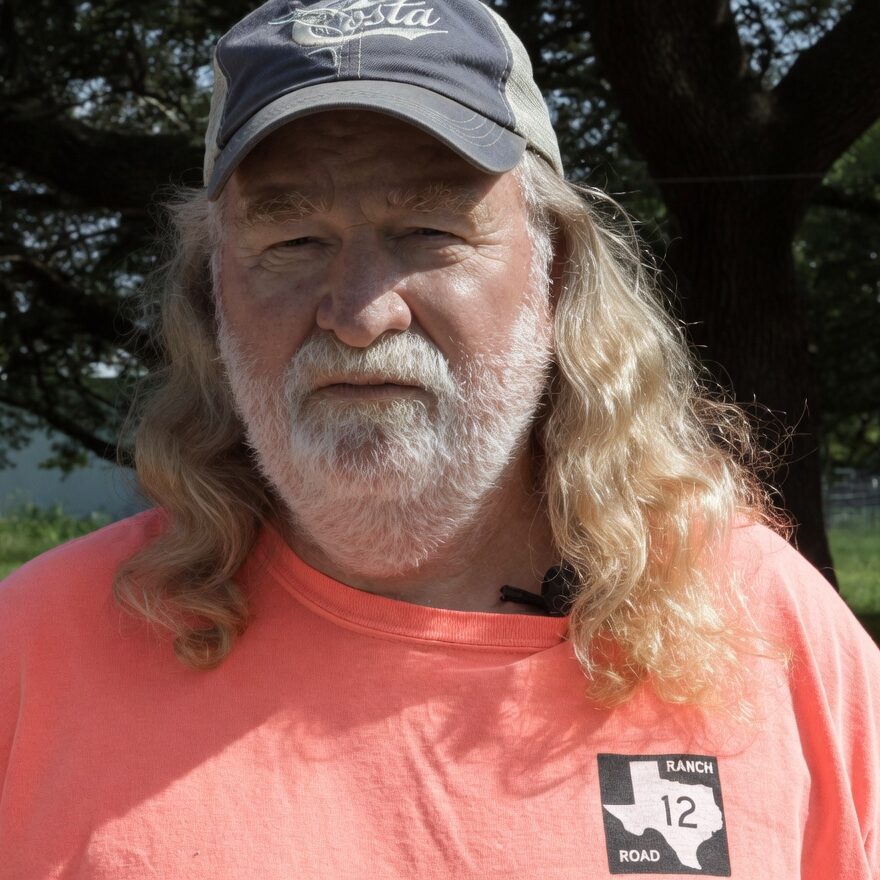
Peter Smith: LCSC
Peter Smith
BA English, University of Massachusetts
Masters degree in Education University of Texas
Licensed Chemical Dependency Counselor.
I worked for Woodside Therapeutic Camp of the Burke Foundation as program director. Also worked as administrator for Darden Hill Ranch School, of the Burke Foundation. I Currently work at Burke Center for Youth as a counselor providing substance group work and anger management programing.